Call for One health approach to end Neglected Tropical Diseases in Rwanda
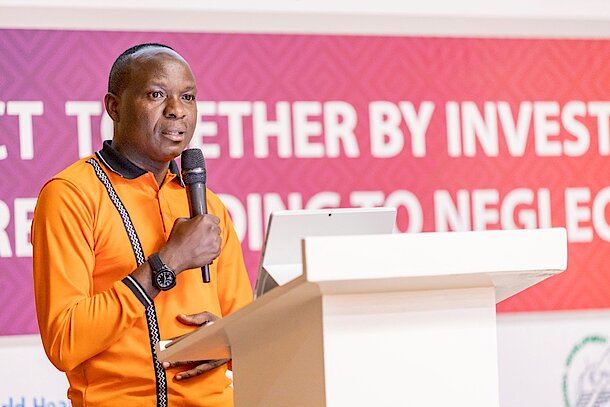
As Rwanda joined the rest of the world to mark World Neglected Tropical Diseases Day on Monday, January 30, experts in public health called for concerted efforts in addressing the 20 diseases affecting 1.7 billion people globally.
Eight of the 20 diseases categorized by the World Health Organization (WHO) as neglected tropical diseases (NTDs) affect thousands of people in Rwanda every year.
The most common NTDs in Rwanda are; intestinal worms (affecting 41 per cent of Rwandans, with a 48 per cent prevalence in adults), bilharzia/ schistosomiasis (1,000 cases), podoconiosis (about 6,000 cases annually), scabies (100,000 cases), taeniasis (3,000 cases), cysticercosis, rabies from dog bites (1,000 cases), and snakebites envenomation (1,500 cases).
“The neglected diseases are found mostly in sub-Saharan African countries. They are neglected because they are not given the same attention as other diseases affecting the world,” Dr Aimable Mbituyumuremyi, Division Manager of Malaria and NTDs at Rwanda Biomedical Centre (RBC) told the press during the celebrations.
“These are diseases that have been a problem for over 20 years and yet meagre resources are allocated to their response.”
Another reason, Dr. Mbituyumuremyi said, was that even the people affected by the NTDs tend to ignore their impact, hence complicating the medical treatment.
Medical personnel tends to get training in the treatment of other prominent diseases, such as malaria, HIV/AIDS, and TB, and the same case with research output.
“If a patient with scabies goes to the hospital for a lighter problem like bruises, the medic will likely treat the wound and ignore scabies. So, these diseases are neglected by all sides,” he said.
WHO says the diseases can be eliminated, if the government, non-government organisations, and the general population joined efforts.
“Concerted efforts are needed to reduce the health burden of NTDs in Rwanda. There’s a need for a rigorous awareness campaign, to sensitise the people about using clean water and best sanitation practices,” said Dr Jules Mugabo, in charge of Malaria and NTDs at WHO Rwanda.
“The diseases can be prevented, reduced, and even eradicated. They shouldn’t be called neglected, because they affect a lot of people and contribute to poverty levels.”
The Ministry of Health says “remarkable progress” has been made in the fight against NTDs in Rwanda.
The World Health Organisation has validated that Sleeping sickness has been totally eliminated in Rwanda alongside six other NTDs that were historically or potentially endemic, but are currently no longer public health problems for the Rwandan population.
Since 2008, over 65 million treatments against intestinal worms and schistosomiasis have been delivered to children aged 1-15 through bi-annual deworming for intestinal worms, and once a year for schistosomiasis.
Deworming coupled with the progress made in water sanitation, hygiene, awareness, and intestinal worm prevalence, decreased to less than 20 per cent from 66 per cent in 2008 to 41 per cent in 2020 among surveyed school-aged children.
4×4 Health Workforce Reform records significant midterm progress
MoH Head Office moves to new location
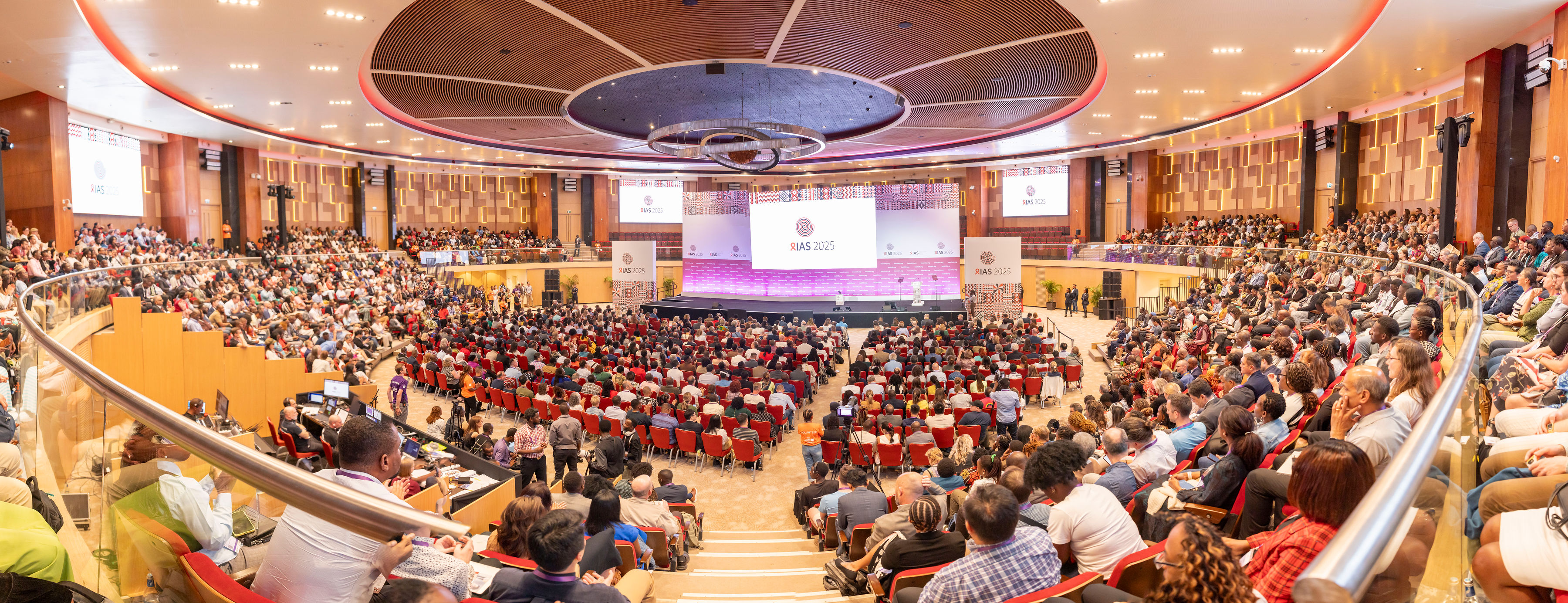
IAS2025: Over 3500 global health leaders, researchers meet in Kigali to reshape global HIV response

New Health Intelligence Center to drive real-time, evidence-based decisions
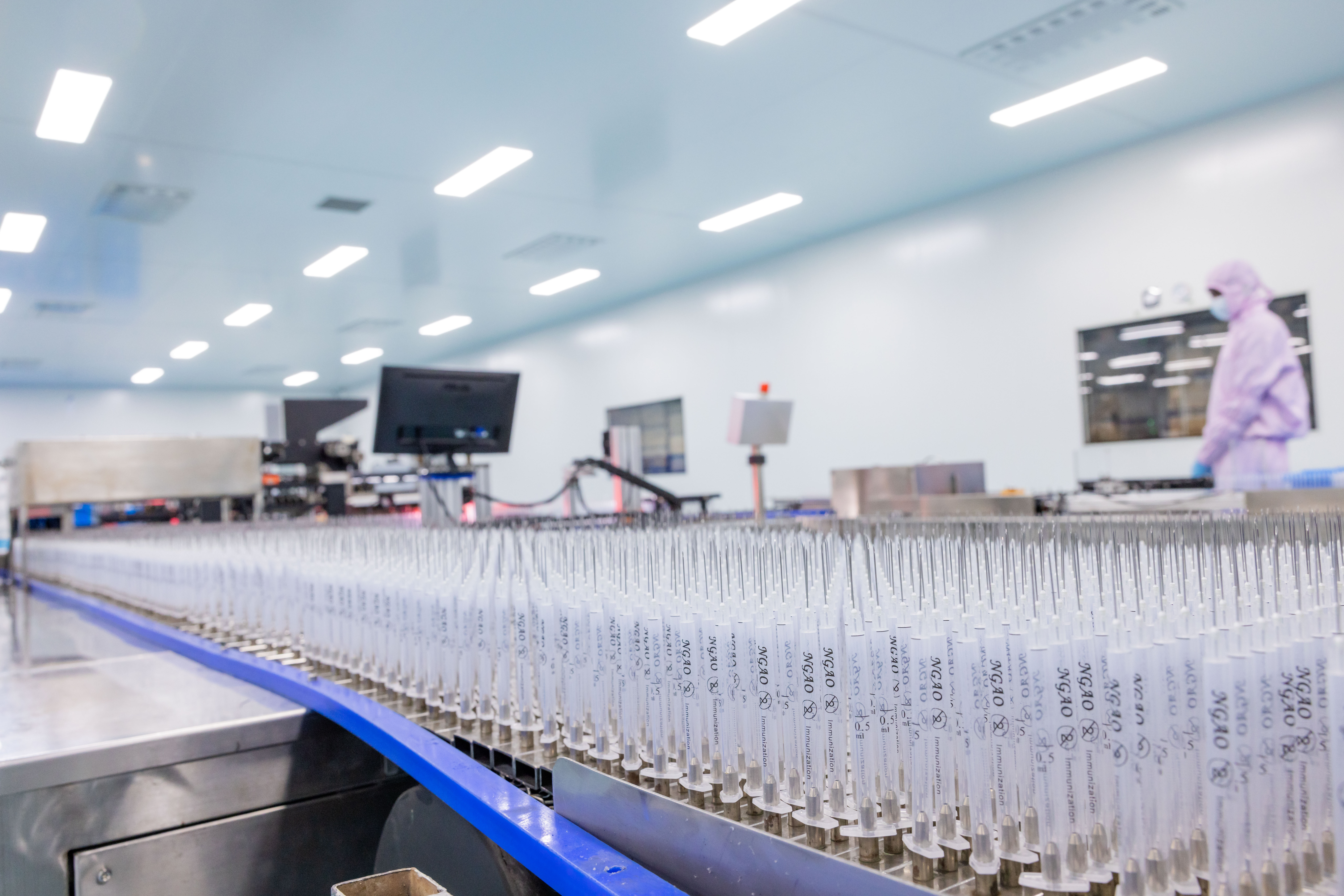
New syringe facility to boost local manufacturing and create jobs
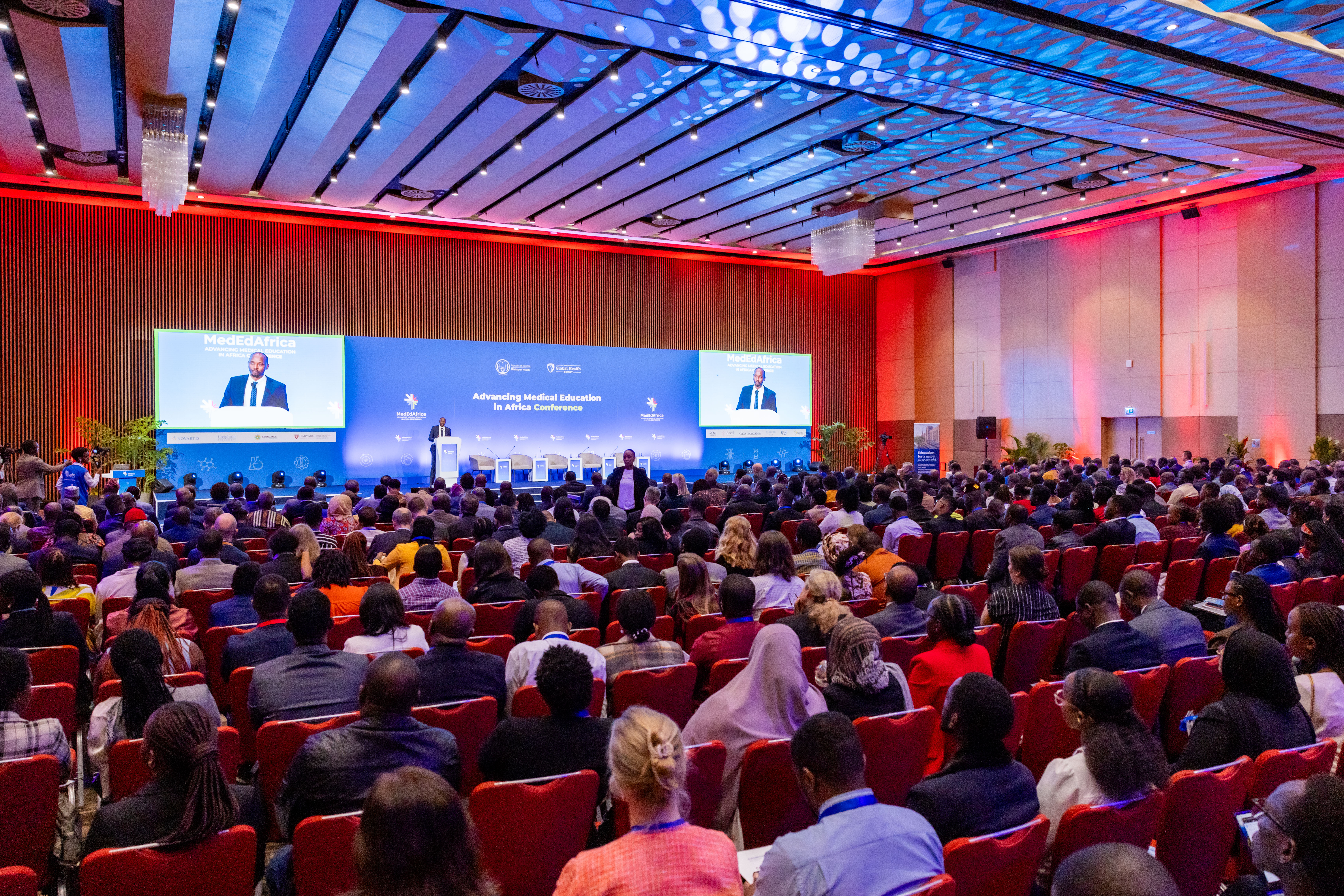
Medical Educators Meet in Rwanda to Rethink Medical Training in Africa
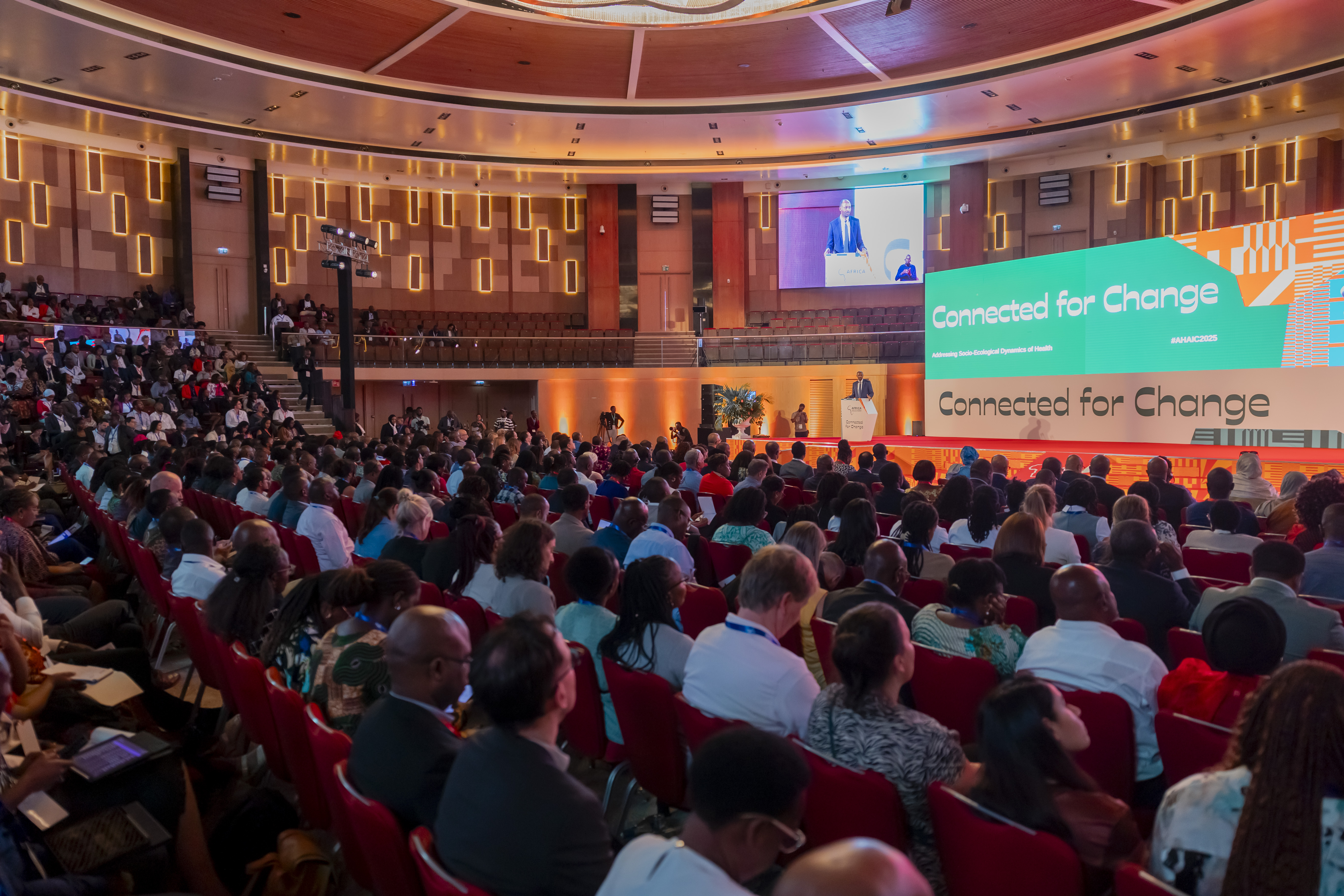
African health stakeholders convene in Kigali to strengthen health systems amid global challenges
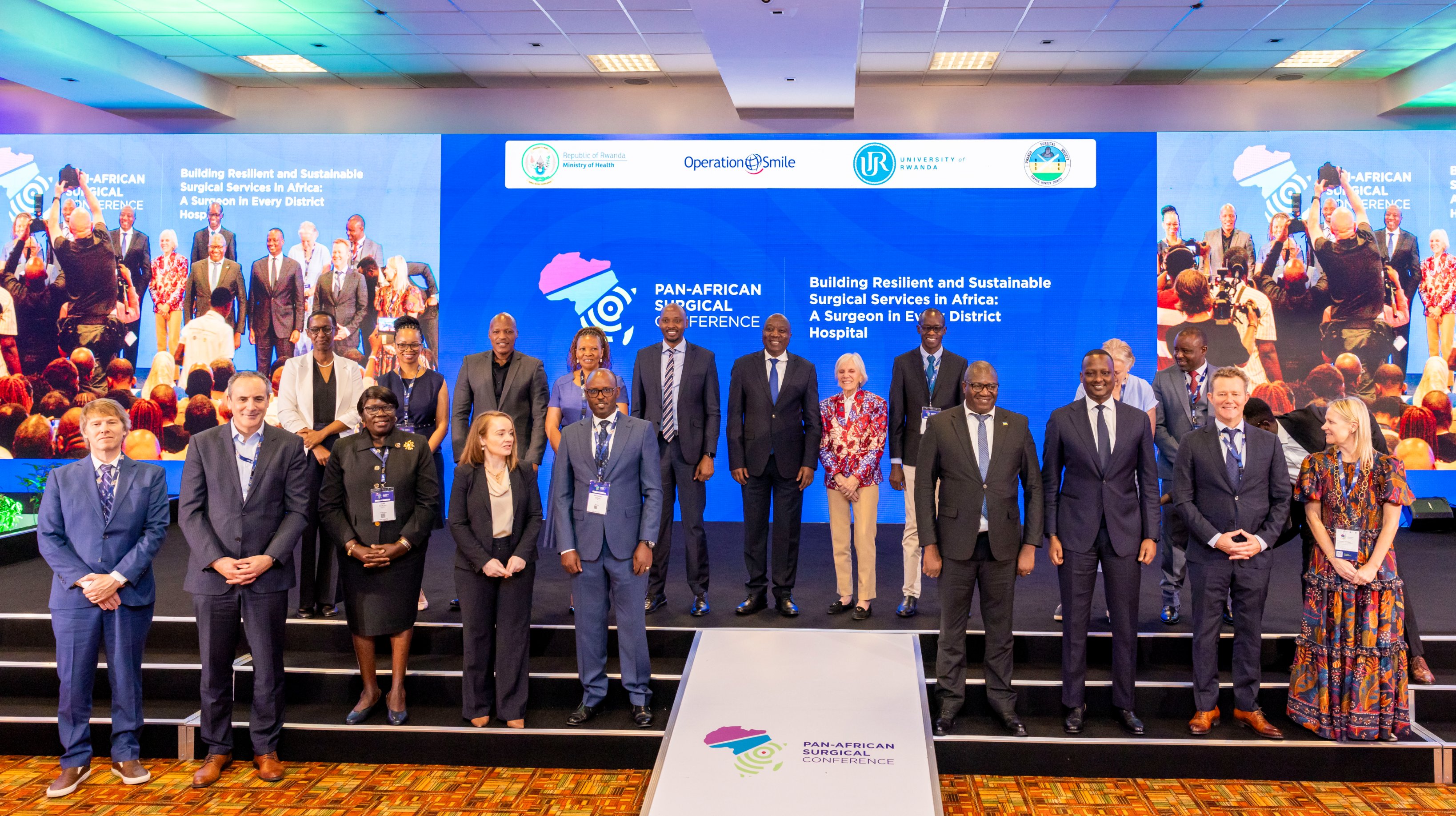
A Surgeon in Every District Hospital: Pan-African Surgical Conference charts the future of surgical care in Africa
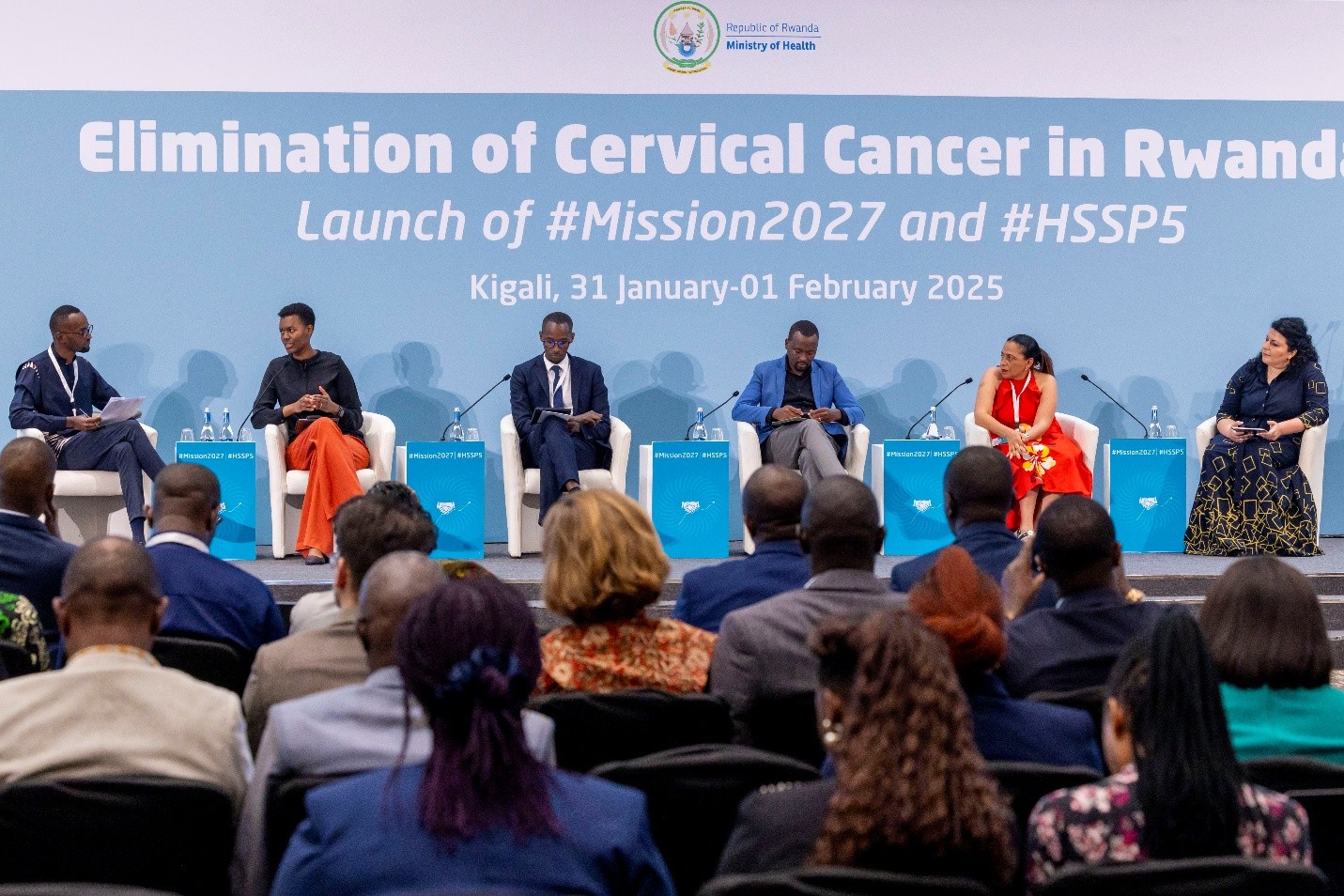
RWANDA LAUNCHES NATIONAL STRATEGY FOR CERVICAL CANCER ELIMINATION BY 2027
Kigali, Rwanda – February 1, 2025 – The Ministry of Health launched the Accelerated Plan for the Elimination of Cervical Cancer in Rwanda 2024-2027,…